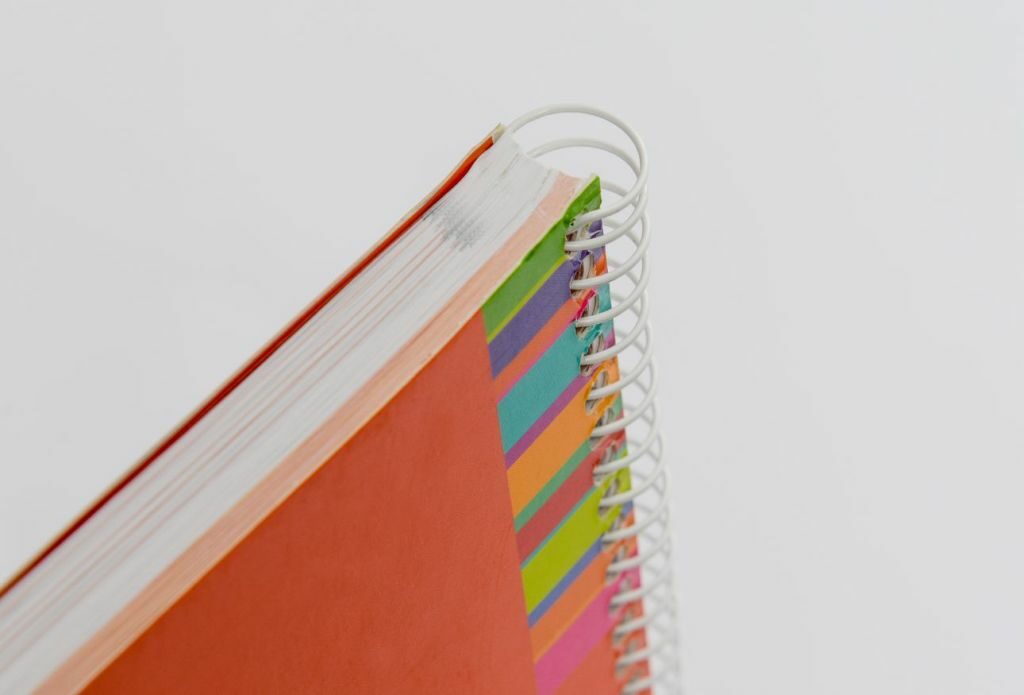



Binding types in catalogues, books and brochures
In printed products such as catalogues, books and brochures you can choose from several binding types. Firstly, the right option depends on page count, purpose and budget. Moreover, each binding behaves differently in everyday use, so it influences how the publication opens and how long it lasts. Therefore, below we present the most common binding methods used in commercial printing.
Saddle-stitched binding (brochure, wire-stitched)
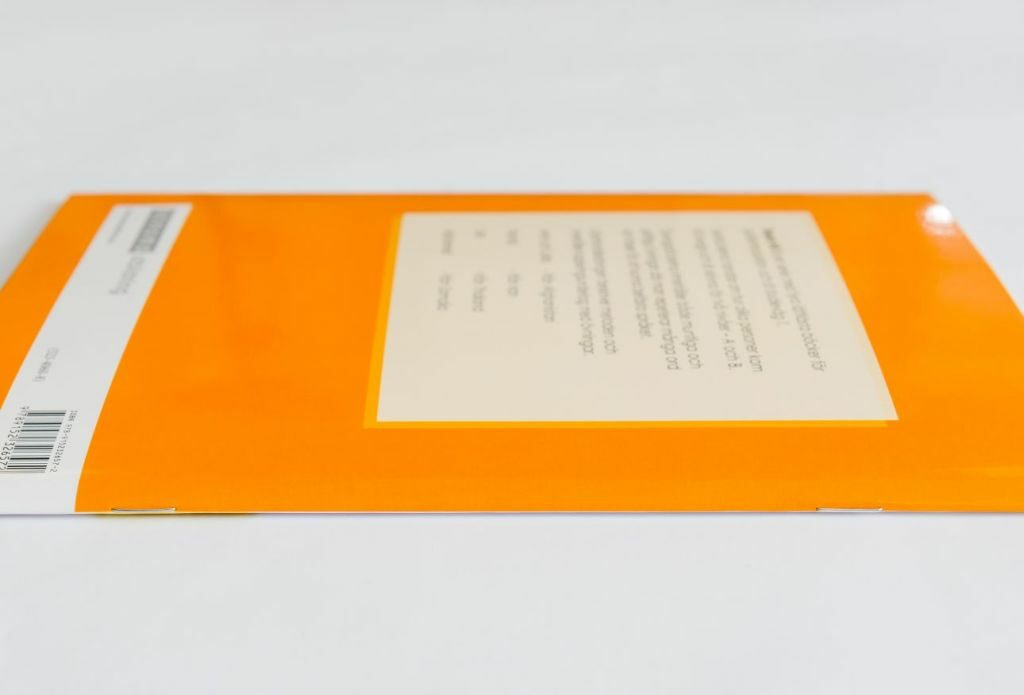
Saddle-stitched binding, often called brochure or wire-stitched binding, works best for publications up to roughly 80 pages. In many projects it becomes the first choice, because it is economical and quick to produce. Furthermore, you can use flat staples for standard brochures or loop staples that allow you to file the catalogue directly in a ring binder. As a result, this binding suits product brochures, event programmes and slim catalogues.
Perfect binding (softcover, glued)
Perfect binding is the most popular option for catalogues and softcover books. Typically it uses HotMelt glue, which provides solid bonding at an attractive cost. In many cases printers recommend this binding for publications up to about 100 pages. Additionally, the cover can be produced without flaps or with one or two flaps, which gives more space for communication.
When the volume exceeds roughly one hundred pages, it is usually worth choosing PUR glue. In practice, PUR offers higher strength and better flexibility, so the spine cracks less and the catalogue copes better with intensive use.
Sewn perfect binding
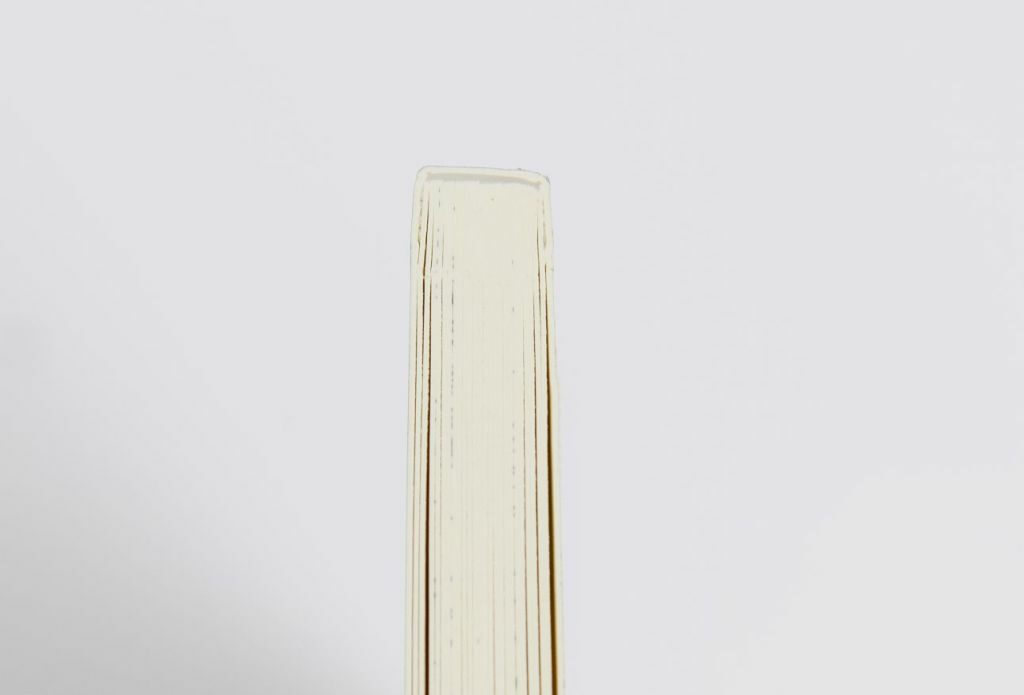
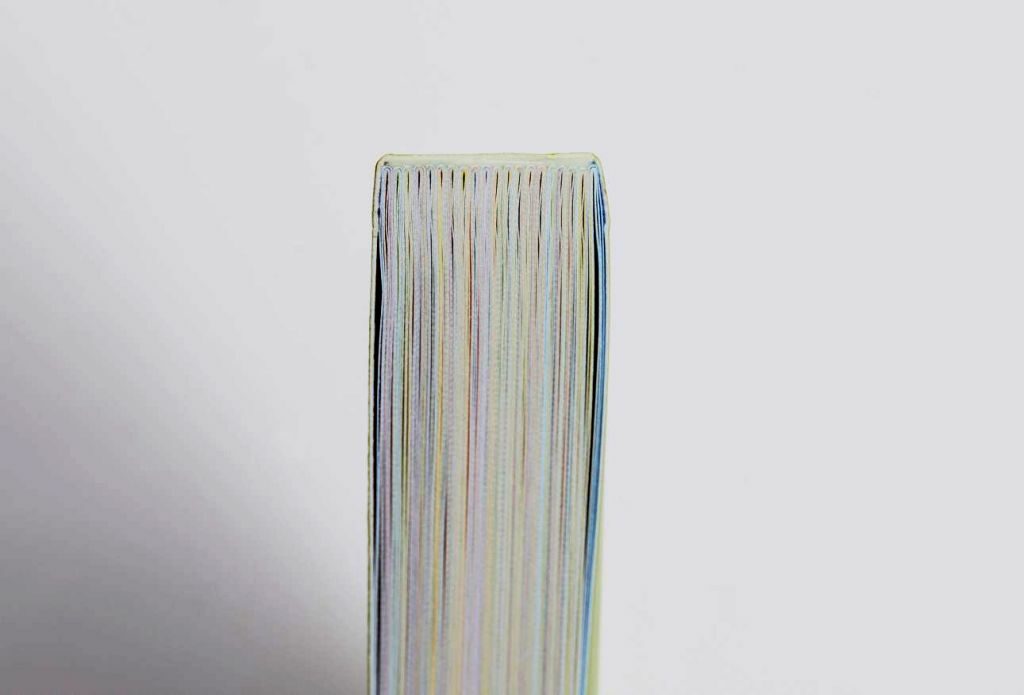
Sewn perfect binding builds on classic glued softcover. Firstly, the book block is gathered into signatures and stitched with thread. Afterwards it is still glued into the cover. Thanks to this additional reinforcement the publication becomes noticeably more durable. Therefore printers recommend sewn perfect binding for catalogues, manuals and books that readers will open very often or keep for many years.
Hardcover binding (case binding, album)
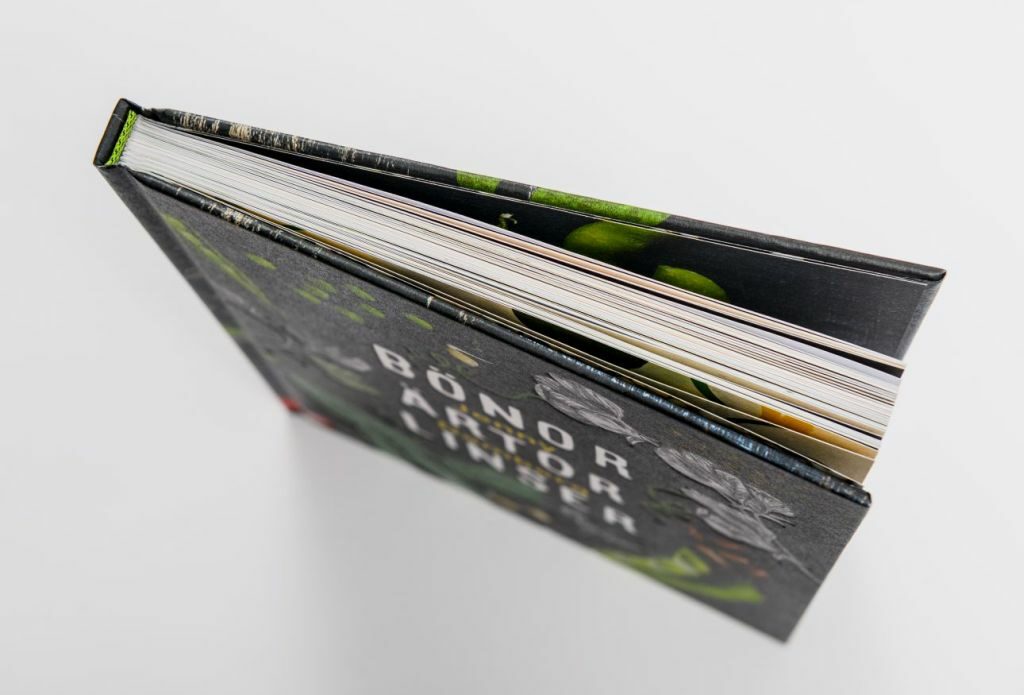
Hardcover, also called case binding or album binding, provides the most solid and prestigious finish. For the cover we use solid board with a thickness of roughly 1–3 mm. Importantly, the board itself remains unprinted. Instead, you print the design on a separate cover sheet, usually on coated paper 130–150 gsm, and then laminate it onto the board. In the next step the thread-sewn book block is glued into this case.
To hide the board from the inside you add endpapers, usually uncoated offset paper. As a result, the book looks neat and elegant. Consequently, hardcover binding suits photo books, premium catalogues, albums and representative publications.
Spiral binding
Spiral binding appears most often in multi-page wall and desk calendars. Additionally, some catalogues and manuals also use this binding when they need to lie completely flat. The pages are punched and joined with a metal spiral. You can choose from several colours, for example silver, black, red, green or blue. Although spiral binding offers great handling comfort, it usually costs more than other options, so it fits projects with clearly defined functional needs.
Need support with your publication? Contact us—tell us about your catalogue or book, and we will recommend the most suitable binding for your pages and budget.